
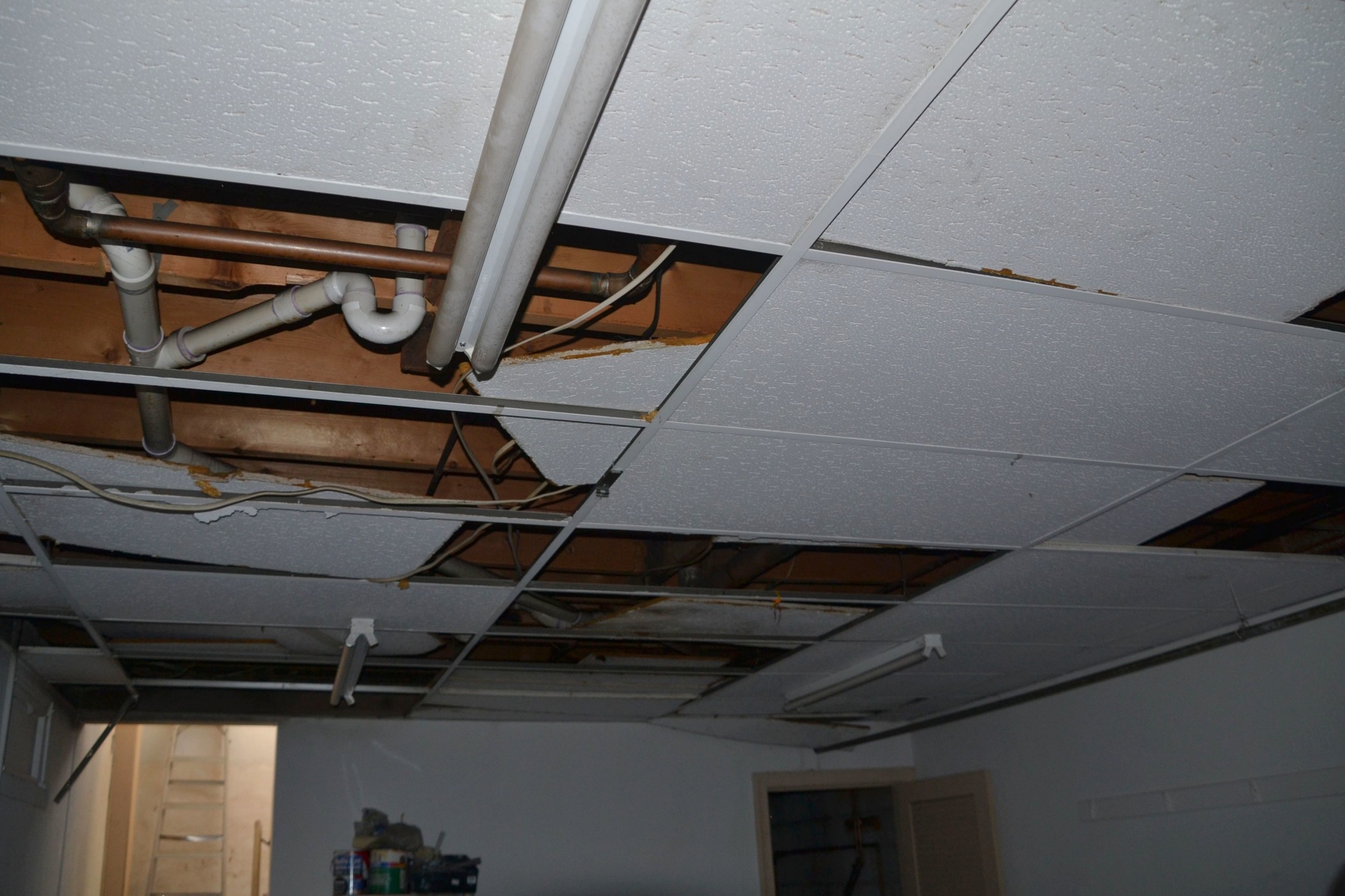
What to Do Immediately After Discovering Water Damage in Your Home
Water damage can strike suddenly, whether from a burst pipe, a leaking appliance, or a heavy storm. The moment you notice signs of water pooling, stains on ceilings, or warping floors, every second counts. Acting quickly helps limit the damage to your property, reduces the risk of mold growth, and can help protect the structural integrity of your home.
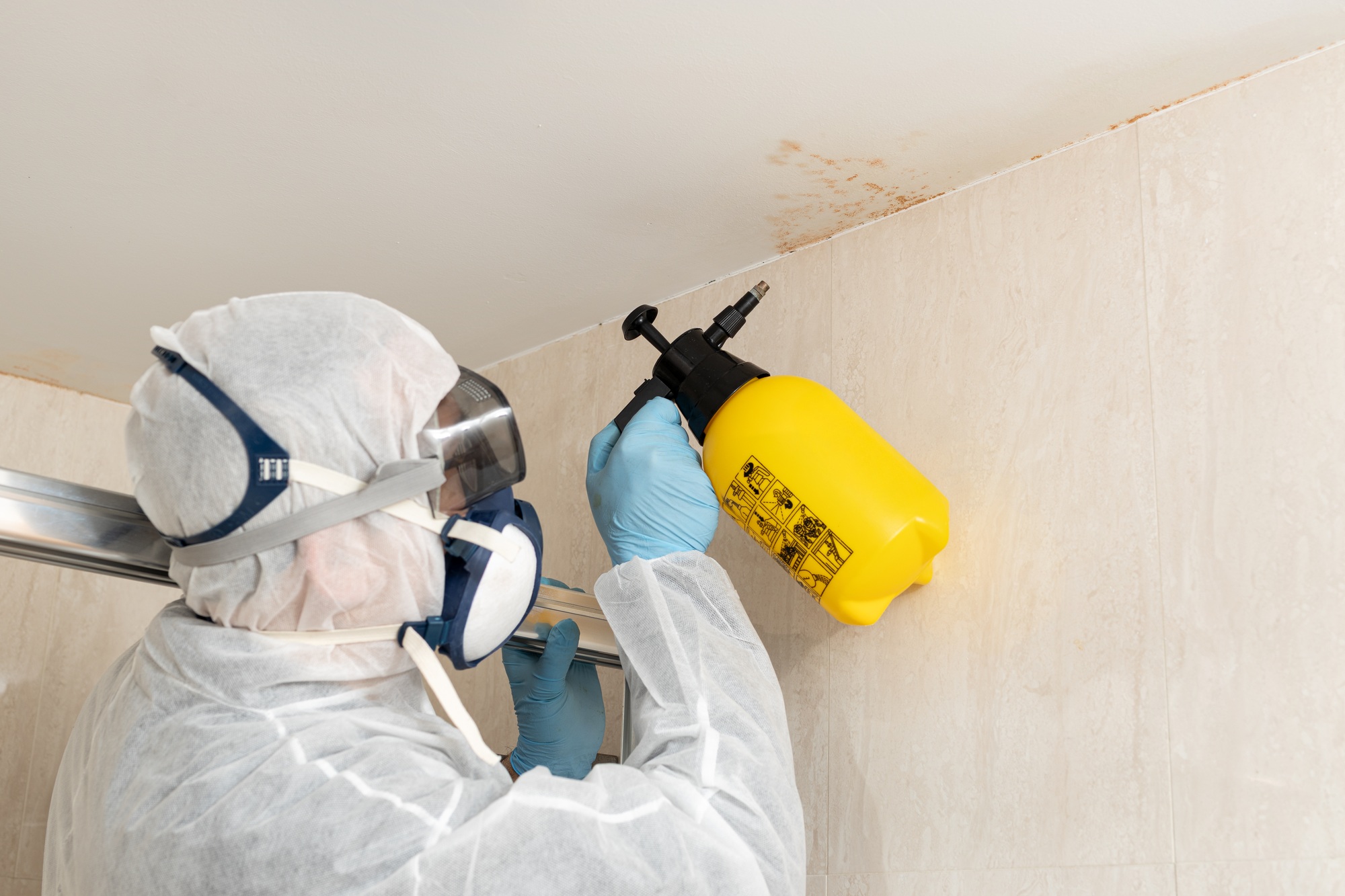
Does Water Damage Restoration Include Mold Remediation?
Water damage can lead to more than just a soggy floor or stained ceiling—it opens the door to a range of structural and biological hazards, with mold growth being among the most concerning. Many homeowners wonder if mold remediation is automatically part of the water damage restoration process or if it’s handled separately.
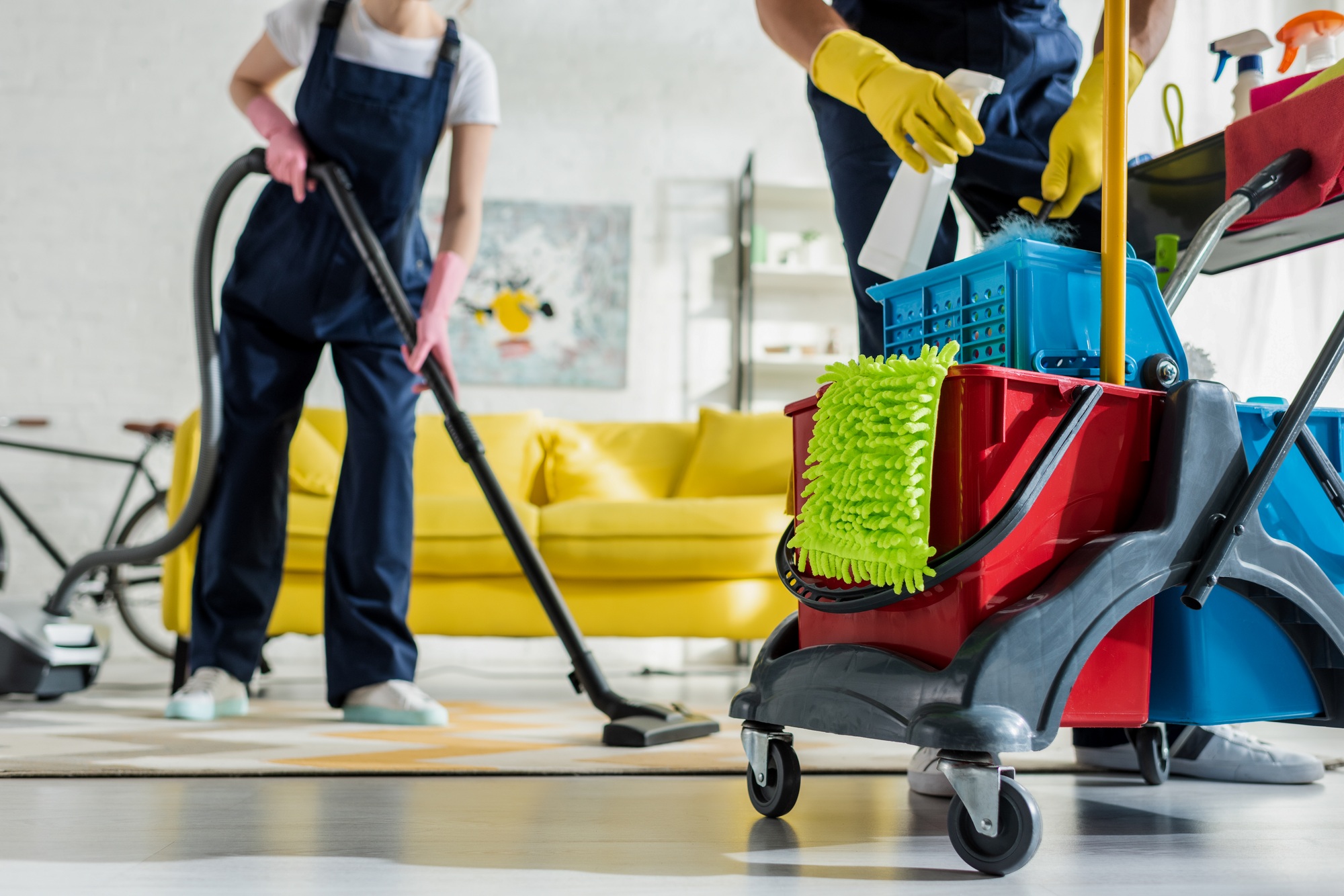
Can Carpets Be Saved After Flooding or Water Damage?
Flooding and water damage can wreak havoc on homes, and one of the most vulnerable elements is carpeting. When water saturates carpets—whether from a storm, broken appliance, or burst pipe—the result is not just a soggy mess. It can lead to lingering odors, mold growth, structural issues, and health concerns. So the big question is: can carpets be saved after water damage? The answer depends on several key factors, and acting quickly makes all the difference.
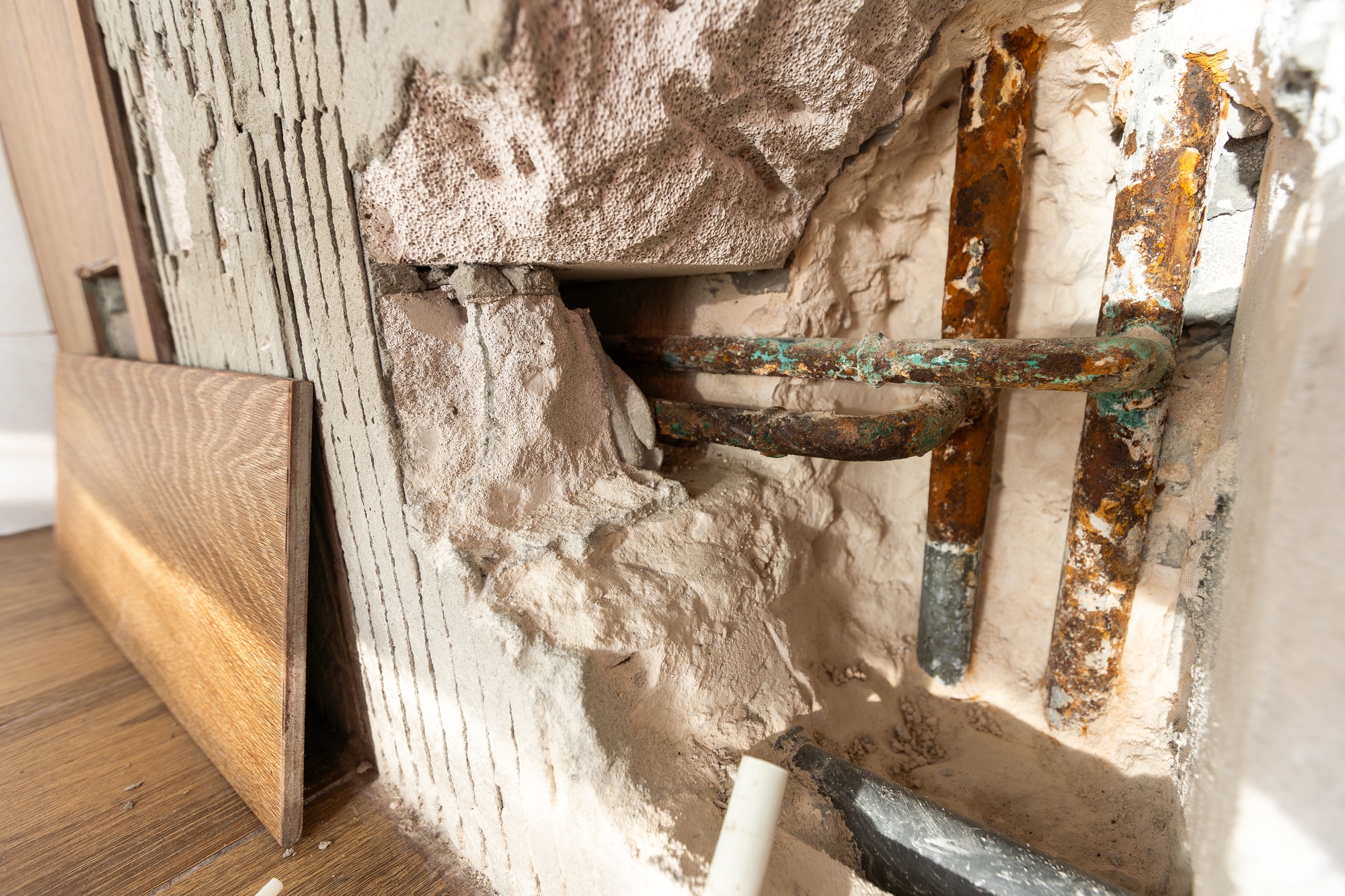
Signs of Hidden Water Damage Every Homeowner Should Watch For
Water damage is one of the most destructive problems a homeowner can face—but not all water damage is obvious. While some issues like burst pipes or flooded basements are easy to identify, others remain hidden behind walls, under floors, or inside ceilings. If left untreated, these concealed issues can lead to extensive structural damage, harmful mold growth, and high repair costs. Knowing what to look for can help prevent these problems from spiraling out of control.

